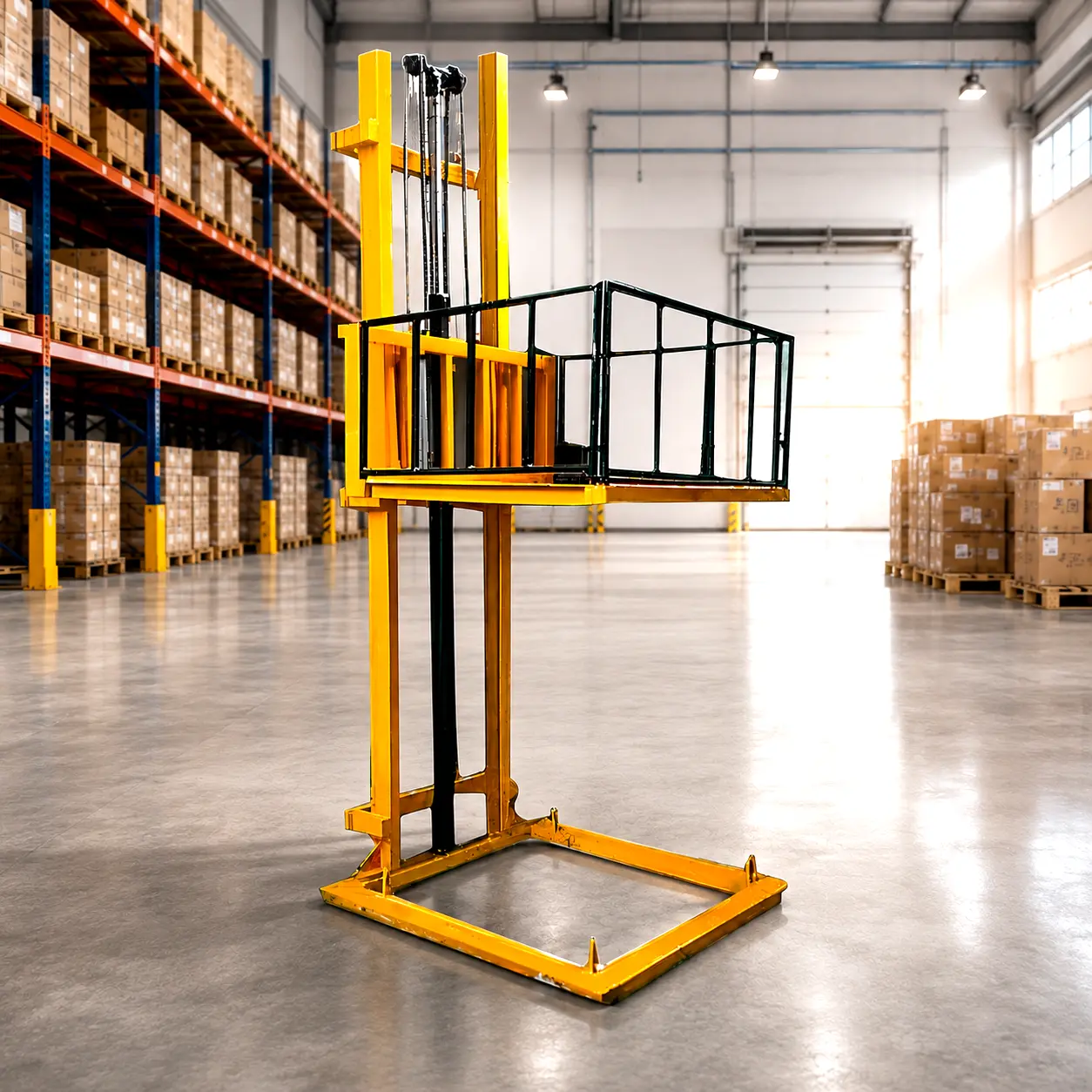
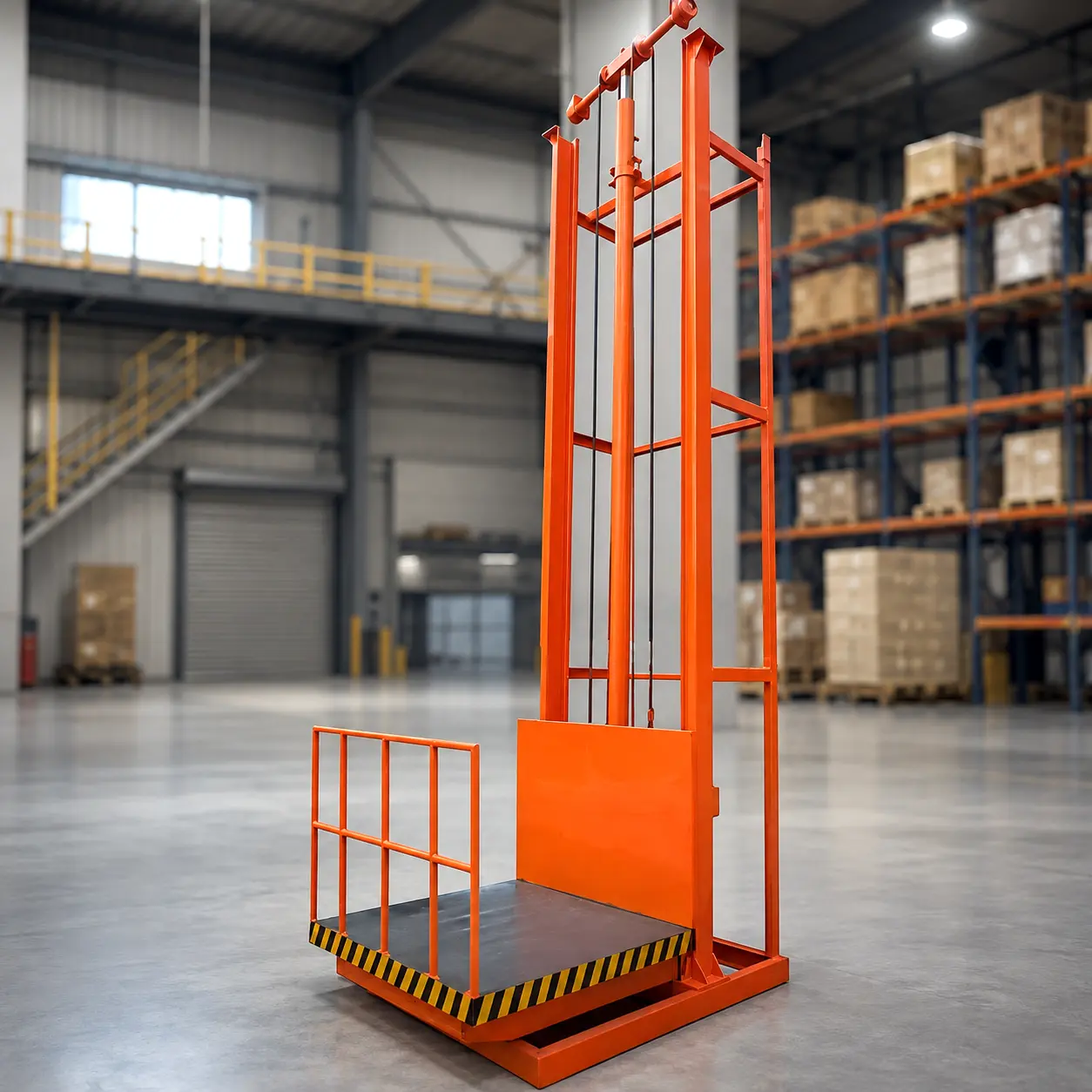
Every facility reaches a point where carrying stock up and down stairs is not possible; it takes a lot of time, tires people out, and something eventually gets dropped or damaged. A Hydraulic Goods Lift helps make these things easier by using hydraulic pressure to move a platform between floors instead of relying on people to carry the weight themselves. Textile units, cold storage plants, and general manufacturing setups use this kind of lift daily, mainly because it holds up to constant, repeated use in a way manual handling never can.
As one of the established Hydraulic Goods Lift Manufacturers in India, we build these lifts around the demands of a working floor: how much weight moves through, how tall the building is, and how much space is available for installation. Get any one of those wrong, and the lift either underperforms or turns out too bulky for the space you actually have.
A lift is only as good as how it performs after the first few months, not how it looks on delivery day. That's the standard we build to. Every Hydraulic Industrial Goods Lift goes through load, pressure, and structural checks before it ever leaves our facility, so there's no question about whether it's ready for daily work.
Years of hands-on work with industrial lifting equipment have taught our team where lifts typically fail, and we build around those weak points rather than ignoring them. That translates into less manual lifting for your staff, quicker movement of goods, and fewer safety incidents on the floor. It's also why several businesses searching for Hydraulic Goods Lift Suppliers in India end up sticking with Liftomatic Industries Private Limited for their next order too.
It depends on what you’re moving, but we don’t lock you into one fixed number. Tell us the kind of stock you’re lifting- pallets, drums, cartons- and we’ll size the lift around that load, with a bit of extra margin instead of building right up to the limit.
Yes, it can cover several floors. The number of levels just changes how we build the hydraulic system and cylinder, so tell us how many floors you’re dealing with, and we’ll make sure the lift performs the same at the top as it does at the bottom.
Usually not much. Most of our lifts are self-standing and don’t need a pit, duct, or major construction. We’ll check your site first and tell you straight if any groundwork is actually needed.
That’s exactly what it’s built for, running again and again through the day, not sitting idle most of the time. Let us know your daily cycle count, and we’ll build the lift to match that pace instead of something meant for occasional use.
There isn’t really a difference; it’s the same equipment, just a different name people use. Whether you call it a goods lift or a freight elevator, it’s built to move stock, not passengers.
That’s rare if it’s maintained properly, but if it happens, call us. Most issues come down to fluid levels or a valve needing a check, and we’ll either walk you through it or send someone out.
We handle it fully; our team installs the lift, runs it under load on site, and makes sure everything’s working right before we call the work done.