Liftometic

Hydraulic Scissor Lift Table

feature_about_circle.jpg
about_shape_img.jpg
Hydraulic Scissor Lift Table 2

Stainless Steel Hydraulic Scissor Lift Table for Hygienic Industrial Use

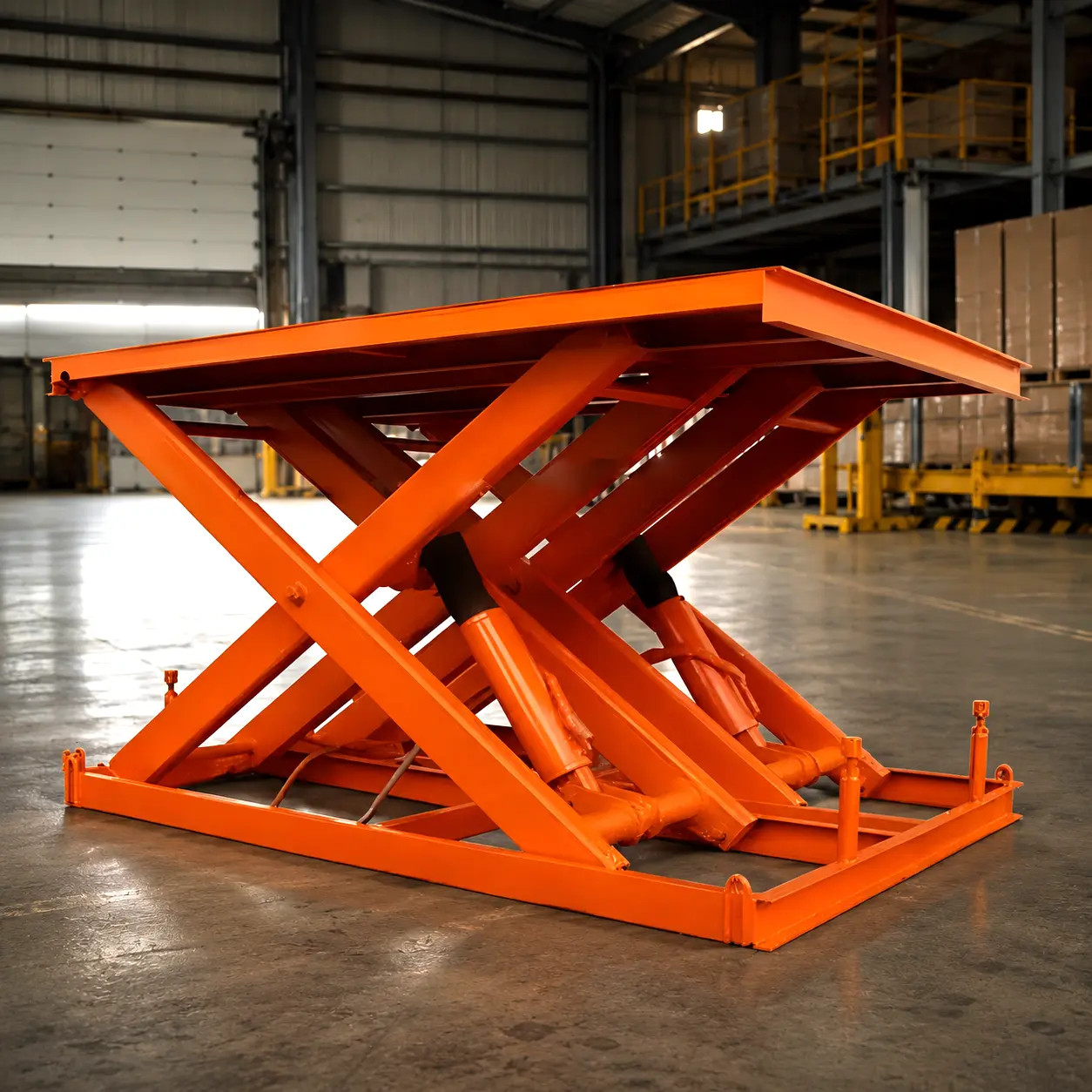
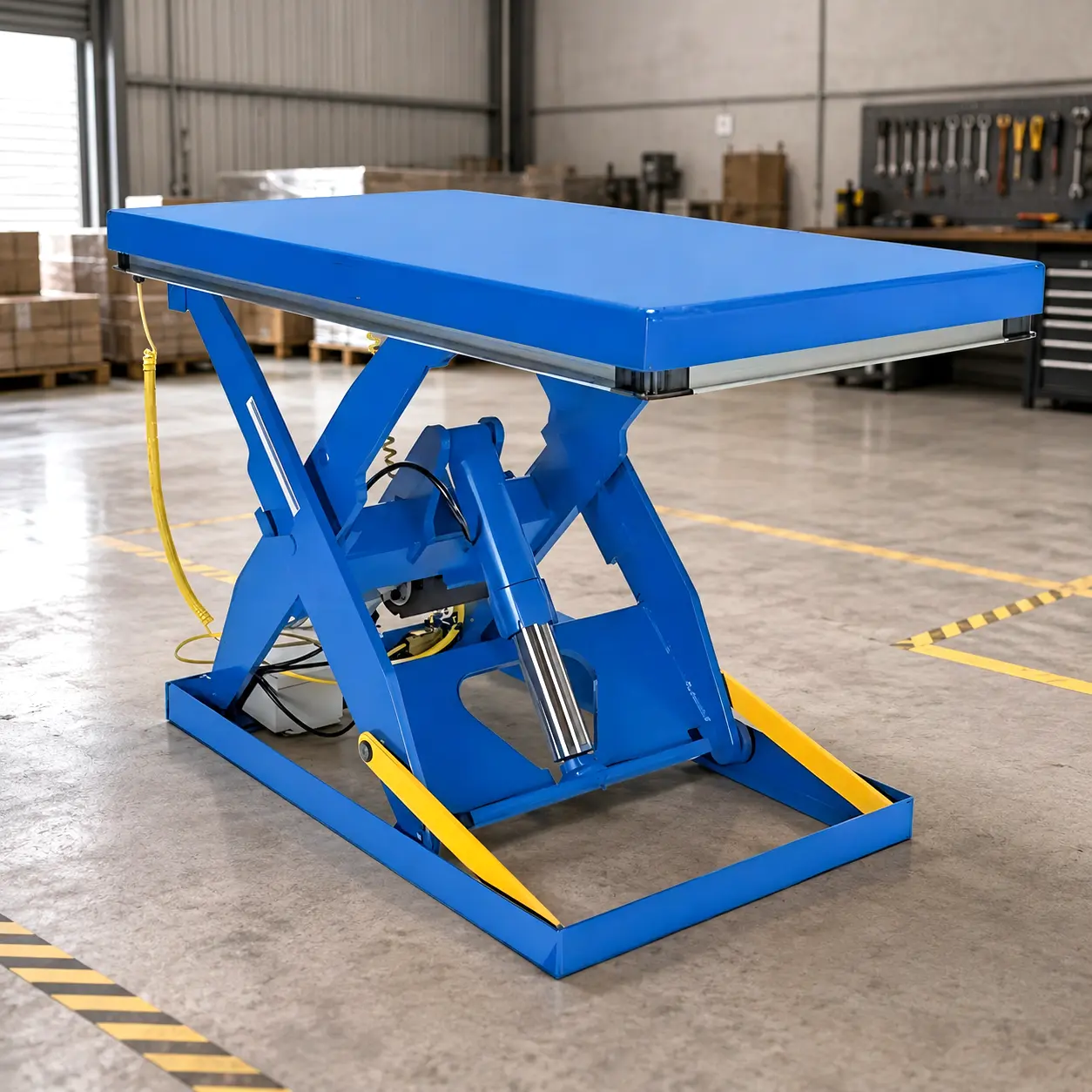
A Hydraulic Scissor Lift Table lifts and lowers a flat platform using hydraulic pressure through a set of crossed, folding legs, giving you a stable working height without needing a fixed installation. Standard builds work fine for most factory floors, but food processing units, pharmaceutical plants, and dairies often need something that can be washed down regularly without rusting or corroding, which is where a stainless steel scissor lift table becomes the better choice over a painted mild steel frame.

Liftomatic Industries Private Limited builds both versions of this Scissor Table Lift Hydraulic design from the same base design, so a client isn't paying for stainless steel features they don't actually need. As Hydraulic Scissor Lift Table Manufacturers in India, we first ask about your environment: is it humid, does it need regular washdowns, or is it exposed to chemicals, before recommending a material.
Features
  • Stainless steel hygienic option
  • Reliable hydraulic seal design
  • Smooth, level platform lifting
  • Corrosion-resistant washdown build
  • Configurable platform sizes available
  • Handles frequent daily cycles
  • Compact footprint when lowered
  • Supports heavier industrial loads
Applications
  • Food processing and packaging
  • Pharmaceutical and cleanroom facilities
  • Dairy and beverage plants
  • Warehouse loading and unloading
  • Automotive service and inspection
  • Manufacturing floor material handling
  • Chemical plant material handling
  • Industrial facility upkeep tasks

Why Choose Liftomatic Industries Private Limited for Your Hydraulic Scissor Lift Table

A Hydraulic Scissor Lift Table mechanism only stays reliable if the rotating points and seals hold up under repeated cycles. This is very easy to overlook until a table starts leaking fluid or drifting under load months after installation. Most complaints we hear about older units trace back to exactly this. A seal that wasn't rated for the actual cycle count, or a pivot that wasn't lubricated properly before it left the factory.

Every unit we build, stainless steel or standard, gets checked for seal integrity and load stability before it leaves our facility. We also test how the platform works at full extension, since that's the point where most wear-related issues show up first. For stainless steel builds specifically, we check the weld finish too, since a rough weld on a washdown surface tends to trap moisture and defeats the purpose of choosing stainless steel in the first place.

This attention to detail is why several businesses looking for genuine Hydraulic Scissor Lift Table Suppliers in India keep choosing Liftomatic Industries Private Limited for their next order. A table that's been running for months tells a client more than any delivery-day demo ever could. That's usually enough reason to stick with what already works.

Hydraulic Scissor Lift Table

Any questions? We're here to help...

Q: Do we actually need stainless steel, or would a standard build work fine?
It depends on your environment. If your facility involves regular washdowns, food contact, or chemical exposure, stainless steel resists corrosion far better. For a standard dry factory floor, a regular build usually does the work without the added cost.
That depends on how many cycles the table runs per day. Heavier daily use means seals wear faster, so we can recommend a check-up schedule once we know your usage pattern.
Yes, that’s part of what the scissor mechanism is built for. If a table starts tilting or dipping under an off-centre load, that’s usually a sign of a pivot or seal issue worth having checked.
Generally yes, the load capacity comes from the hydraulic system and frame design, not the surface material. Stainless steel changes corrosion resistance and cleanability, not lifting strength.
Usually a rougher, less smooth lift or lower motion, or the platform not returning to the same height consistently. Catching that early is much cheaper than waiting for a full breakdown.
We’d rather work it out with you. Tell us about your environment and how the table will be used, and we’ll recommend the material that actually fits instead of defaulting to the pricier option.